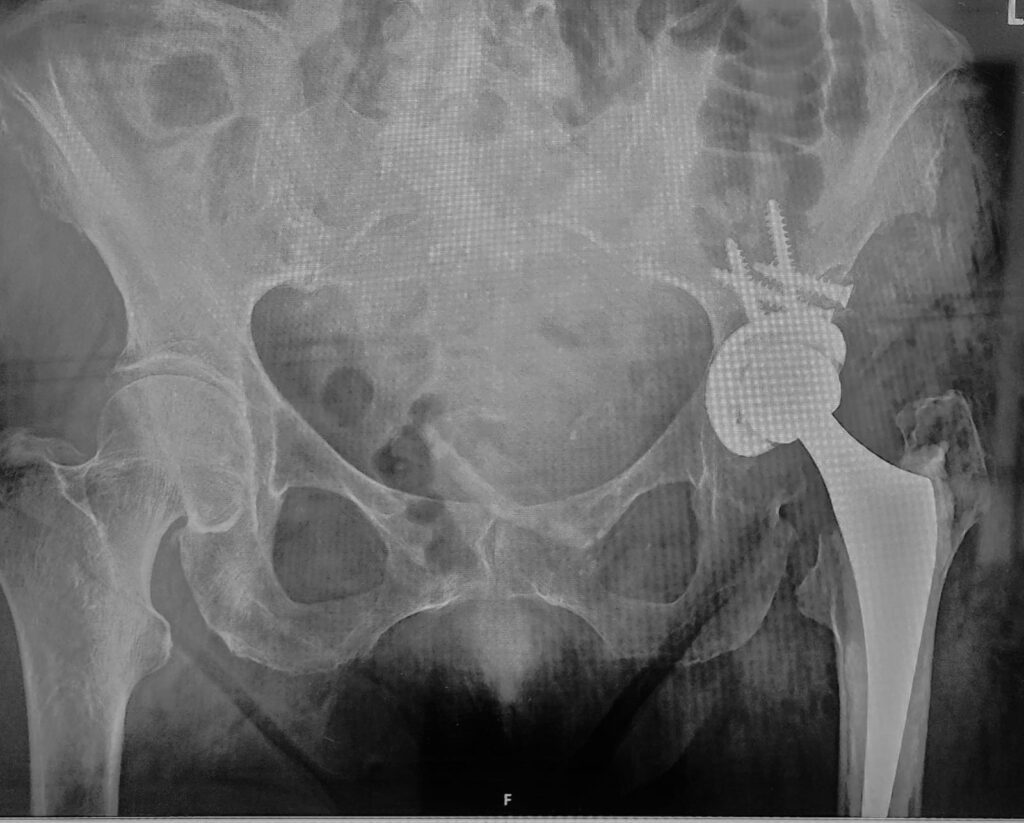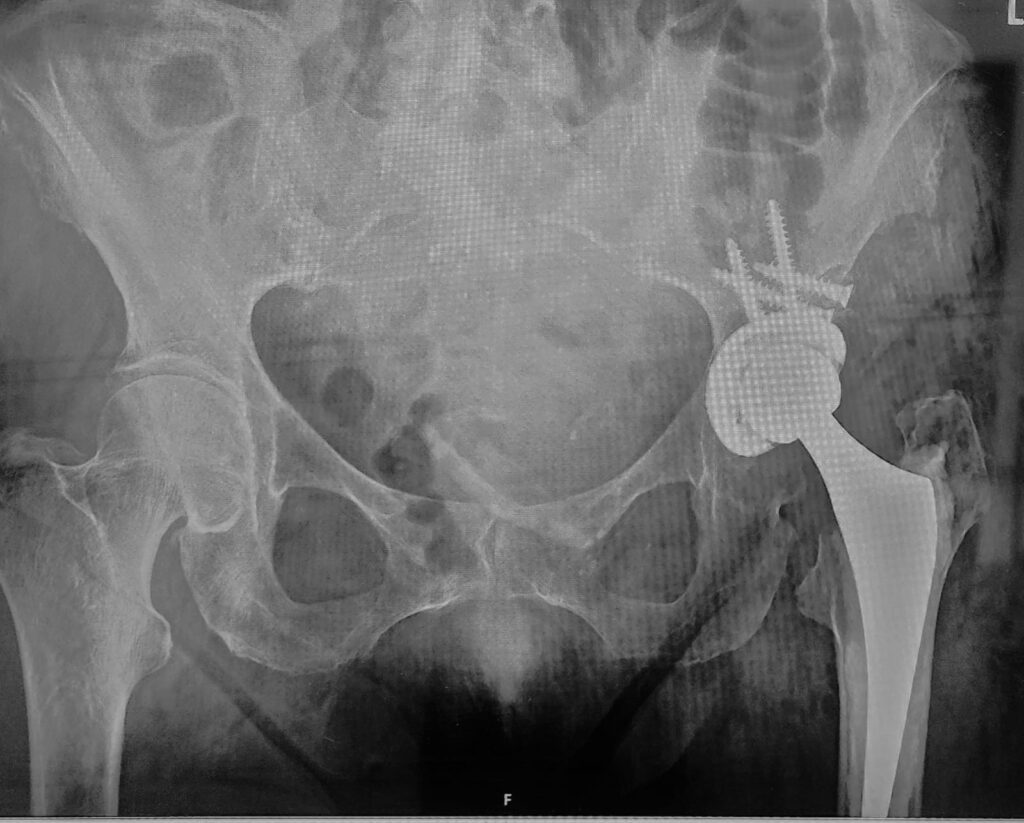
Hip dysplasia is a condition in which the hip socket is shallow and does not fully cover the ball of the thigh bone. Because of this poor fit, the hip joint becomes unstable and wears out faster than a normal hip. Over time, this leads to early arthritis, chronic pain, and reduced movement. Many patients live with symptoms for years before surgery becomes necessary, often adjusting their lifestyle to cope with increasing discomfort.
Total hip replacement is considered when pain and stiffness begin to limit daily activities and conservative treatments no longer provide relief. In patients with hip dysplasia, the procedure is more complex due to altered bone shape, but modern surgical techniques have greatly improved outcomes. Understanding the condition before surgery and the changes after replacement helps patients set realistic expectations and prepare for recovery.
Life Before Total Hip Replacement
Before surgery, patients with hip dysplasia commonly experience persistent pain in the groin, thigh, or buttock area. This pain usually worsens with walking, standing for long periods, or climbing stairs. As the joint continues to deteriorate, stiffness becomes more noticeable, especially after rest or in the morning. Many patients report difficulty sitting cross-legged, bending, or putting on shoes.
The abnormal structure of the hip joint forces surrounding muscles to work harder to maintain balance. This often leads to muscle fatigue, limping, and poor posture. Over time, patients may develop a noticeable leg length difference, which can cause lower back pain and strain on the knees. As movement becomes more painful, activity levels decrease, leading to further muscle weakness and reduced joint support.
Quality of life is often significantly affected at this stage. Sleep may be disturbed due to pain, and simple tasks such as household chores or short walks become exhausting. When pain starts to interfere with routine life and independence, total hip replacement is usually recommended as a long-term solution.
Why Hip Dysplasia Makes Surgery Challenging
Hip dysplasia alters the normal anatomy of both the socket and the thigh bone. The socket is often smaller, shallow, or positioned higher than usual, while the femur may have increased rotation or a narrow canal. These differences make implant placement more demanding compared to routine hip replacement performed for age-related arthritis.
Accurate preoperative planning is essential in such cases. Surgeons carefully evaluate bone structure, leg length, and joint alignment before surgery. Advanced imaging helps determine the correct size and position of the implants to restore a stable and functional hip joint. When performed by an experienced surgeon, these challenges can be managed effectively.
What Happens During Total Hip Replacement
During total hip replacement, the damaged ball of the hip joint is removed and replaced with a metal stem and ball that fit securely into the thigh bone. The shallow socket is reshaped to accommodate an artificial cup, which provides a smooth surface for movement. The goal is to recreate a stable hip center and restore normal joint mechanics.
In patients with hip dysplasia, special implants or techniques may be required to ensure proper fit and long-term stability. Care is taken to balance the muscles and correct leg length without placing excessive tension on nerves. The procedure aims to reduce pain, improve movement, and allow the patient to return to daily activities safely.
Early Recovery After Surgery
After surgery, most patients notice a clear reduction in pain within weeks. Walking usually begins with support, such as a walker or crutches, and gradually improves as strength returns. Physical therapy plays a key role in recovery by restoring movement, improving muscle strength, and helping patients regain confidence in the new joint.
Swelling and mild discomfort are normal during early recovery, but these symptoms improve steadily with proper rehabilitation. Patients are encouraged to follow movement guidelines and avoid high-impact activities during the initial healing period. Regular follow-up visits ensure the joint is healing correctly and progressing as expected.
Life After Total Hip Replacement
The changes after total hip replacement are often significant. Most patients experience lasting pain relief and improved joint stability. Walking becomes smoother, posture improves, and daily activities can be performed with greater ease. Tasks that were once painful, such as climbing stairs or standing for longer periods, become manageable again.
As strength and mobility improve, patients regain independence and confidence in movement. Many return to low-impact activities such as walking, swimming, or cycling without discomfort. While high-impact sports are usually discouraged, the artificial joint is designed to support an active and comfortable lifestyle.
Long-term outcomes are generally positive when surgery is performed correctly and followed by proper rehabilitation. Patients often report improved sleep, better mood, and a return to social and professional activities that were limited before surgery.
Long-Term Results and Expectations
Total hip replacement in patients with hip dysplasia has shown excellent results in pain relief and functional improvement. Although the surgery is technically demanding, modern implants and surgical planning have greatly reduced complication rates. Most patients enjoy many years of improved mobility and joint stability.
It is important to maintain a healthy weight, stay active, and follow medical advice to protect the replaced joint. Regular check-ups help monitor implant health and ensure long-term success. With proper care, the artificial hip can provide reliable function for decades.
Patients seeking expert evaluation and treatment for hip dysplasia can consult experienced orthopaedic services in Islamabad to receive personalized surgical planning and comprehensive care. Early consultation allows timely intervention and better long-term outcomes. For those considering surgery, access to skilled specialists in Islamabad plays an important role in achieving safe and successful recovery.