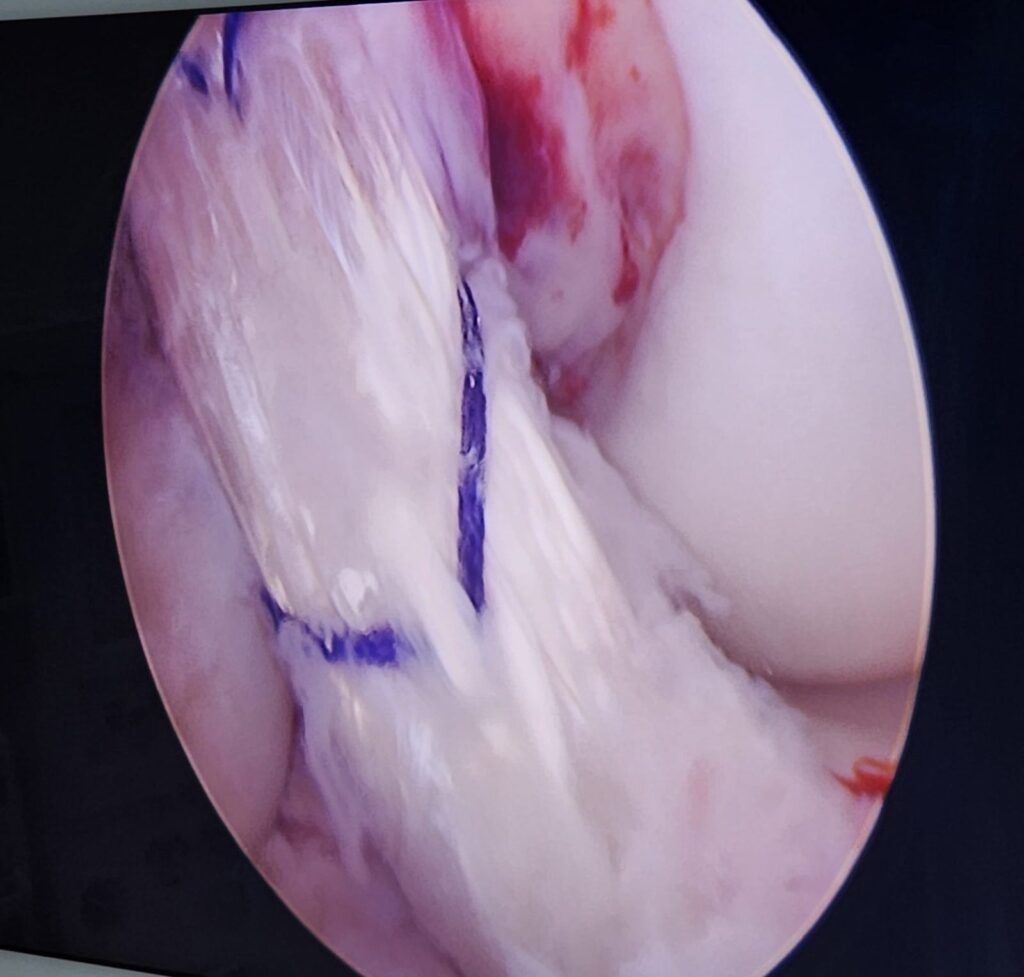
The anterior cruciate ligament, commonly called the ACL, plays a vital role in keeping the knee stable during movement. It helps control forward motion of the shin bone and supports the knee during twisting, turning, and sudden stops. When the ACL is torn, the knee can feel unstable, painful, and unreliable, especially during physical activity. Arthroscopic ACL reconstruction is a surgical procedure designed to restore this stability when the ligament cannot heal on its own.
ACL injuries are common in people who participate in sports that involve jumping, quick direction changes, or sudden deceleration. Football, basketball, cricket, and soccer are frequent causes, but ACL tears can also occur during falls, road accidents, or simple missteps that place excessive force on the knee. Many patients report hearing or feeling a pop at the time of injury, followed by swelling and difficulty bearing weight.
Understanding Arthroscopic ACL Reconstruction
Arthroscopic ACL reconstruction is a minimally invasive surgical technique used to rebuild a torn ACL rather than repair it. Since the ACL does not heal effectively once fully torn, the damaged ligament is replaced with a graft that acts as a new ligament. This graft is usually taken from the patient’s own tendon, such as the hamstring, patellar tendon, or the peroneus longus (ankle) tendon, though donor tissue may be used in select cases.
The procedure is performed using an arthroscope, which is a small camera inserted into the knee through tiny incisions. This allows the surgeon to view the joint clearly and work with precision while causing minimal disruption to surrounding tissue. Because the incisions are small, patients often experience less pain, reduced scarring, and faster early recovery compared to traditional open surgery.
When Is ACL Reconstruction Necessary?
Not every ACL injury requires surgery, and the decision depends on several important factors. The severity of the tear is one of the most critical considerations. A complete ACL tear almost never heals on its own and often leads to ongoing instability, which increases the risk of damage to the meniscus and cartilage. In such cases, reconstruction is usually recommended.
Lifestyle and activity level also play a major role. Individuals who wish to return to sports or physically demanding work often benefit from surgery because a stable knee is essential for these activities. Without reconstruction, the knee may continue to give way during movement, leading to repeated injuries over time. On the other hand, people with low activity demands and good muscle control may manage a partial tear through physical therapy and lifestyle adjustments.
Age alone does not determine whether surgery is needed, but younger and more active patients often choose reconstruction to protect long-term knee function. A detailed evaluation by an Orthopaedic Specialist Islamabad helps determine whether surgical or non-surgical treatment is the best option based on individual needs and goals.
How the Procedure Is Performed
During arthroscopic ACL reconstruction, the surgeon first examines the knee joint to assess the extent of the injury and check for damage to other structures such as the meniscus. If additional injuries are found, they are addressed during the same procedure. The graft is then prepared and placed through small tunnels created in the thigh and shin bones.
The graft is secured firmly so it can function as a new ligament. Over time, the body incorporates the graft into the bone, allowing it to strengthen and mature. The surgery typically takes one to two hours and is often performed as an outpatient procedure, meaning patients can return home the same day.
Recovery and Rehabilitation
Recovery after ACL reconstruction is a gradual process that requires commitment and patience. Most patients begin walking with crutches and a knee brace shortly after surgery. Physical therapy usually starts within a few days and focuses first on reducing swelling, restoring movement, and activating the thigh muscles.
As healing progresses, strengthening and balance exercises are added to improve knee stability. Running may begin several months into recovery, while sports that involve pivoting and sudden changes in direction take longer. Full return to competitive sports often occurs between nine and twelve months, depending on progress and adherence to rehabilitation.
Pain levels and recovery speed vary between individuals, but structured rehabilitation significantly improves outcomes. Regular follow-up with an Orthopedic Surgeon in Islamabad ensures the knee is healing properly and reduces the risk of reinjury.
Long-Term Outcomes and Considerations
When performed correctly and followed by proper rehabilitation, arthroscopic ACL reconstruction has a high success rate. Most patients regain good knee stability and are able to return to their previous level of activity. The procedure also helps protect the knee from further damage that could lead to early arthritis.
However, success depends on several factors, including surgical technique, graft choice, and patient commitment to rehabilitation. Ignoring therapy or returning to activity too early increases the risk of graft failure. This is why careful planning and guided recovery are essential for long-term knee health.
Final Thoughts
Arthroscopic ACL reconstruction is a reliable and well-established solution for restoring knee stability after a serious ligament injury. It is most often recommended for patients with complete tears or those who wish to return to an active lifestyle without constant fear of knee instability. With proper diagnosis, expert surgical care, and dedicated rehabilitation, patients can expect strong functional recovery and improved confidence in daily movement.
Book an Expert Consultation
If knee pain, instability, or a sports injury is affecting daily life, timely care matters. At Aamer Nisar Trauma and Orthopaedics Clinic, patients receive focused evaluation, clear guidance, and evidence-based treatment plans for ACL injuries and other joint conditions. Book a consultation today to discuss diagnosis, treatment options, and a personalized recovery plan designed to restore movement and confidence.