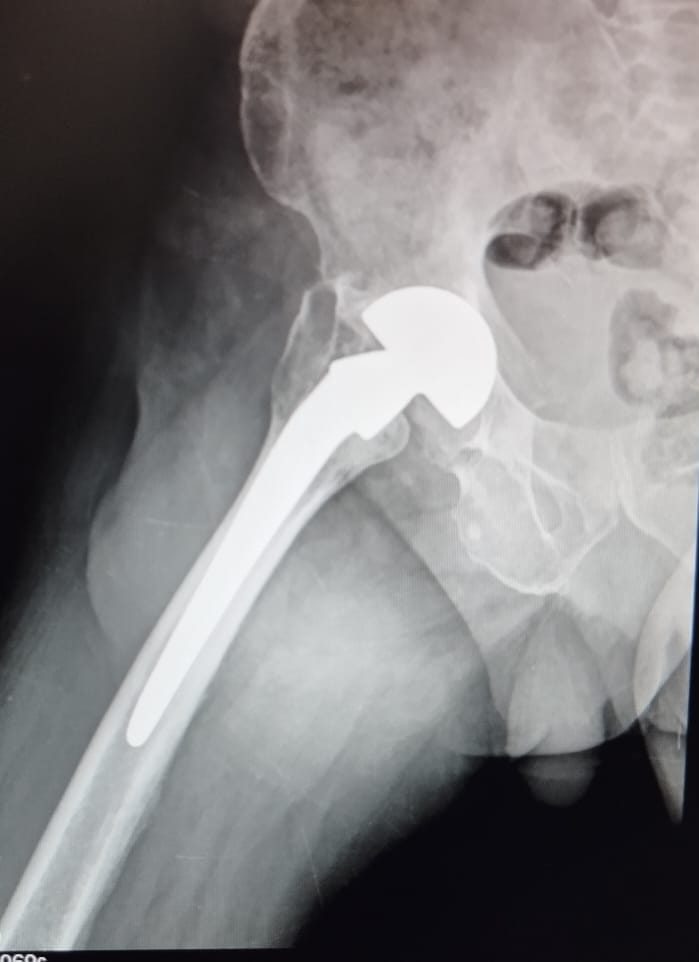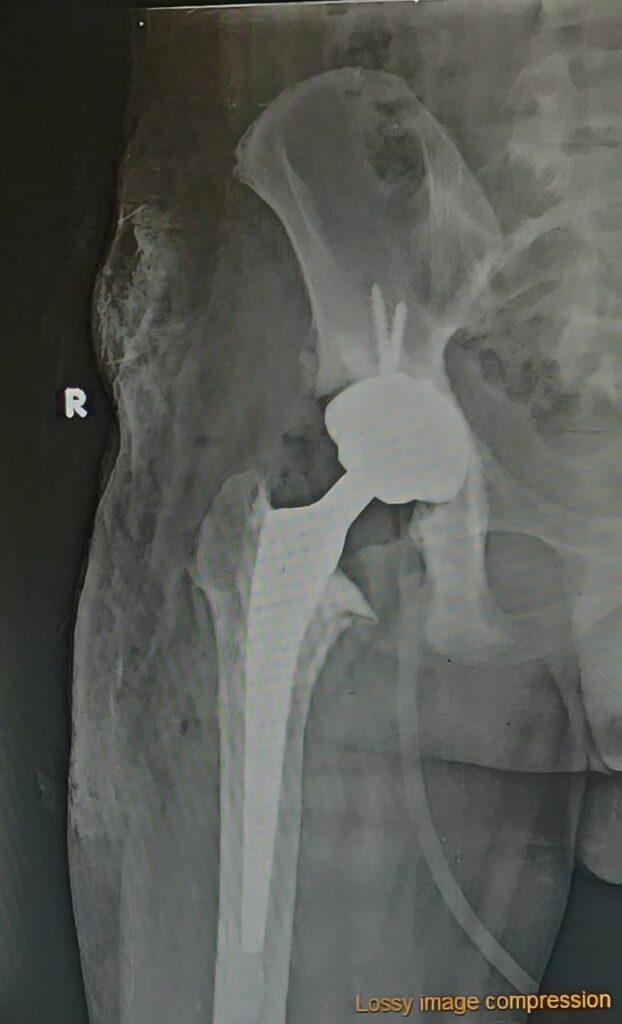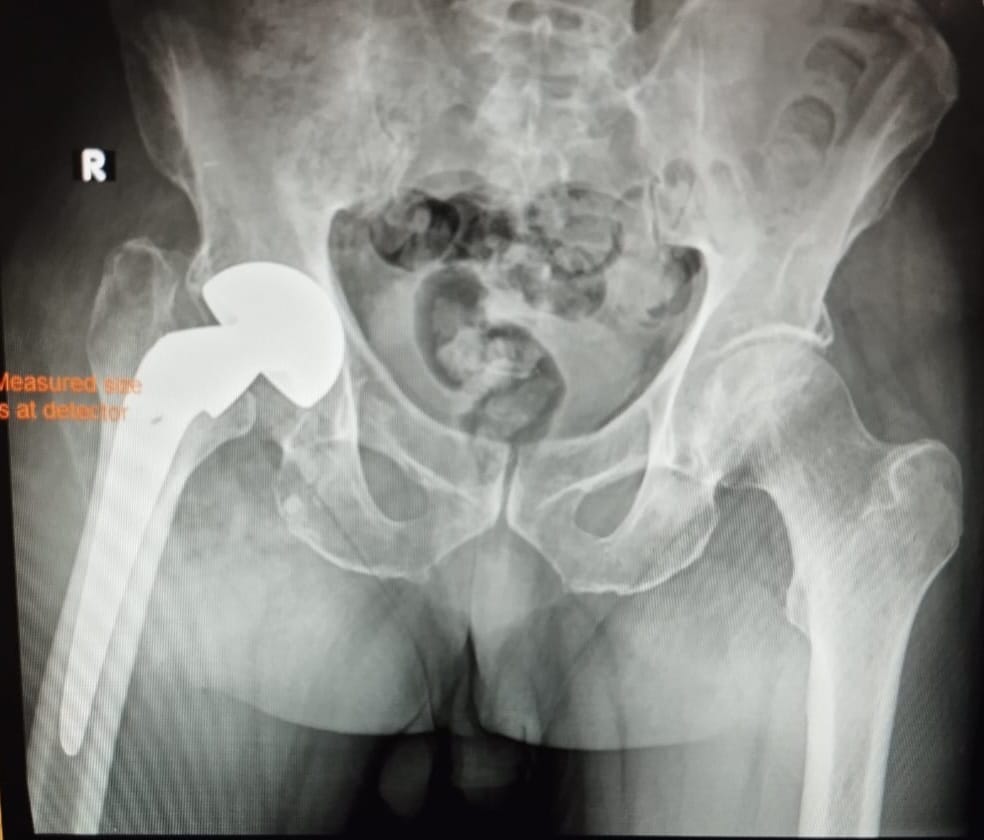
Hip revision surgery repairs or replaces an artificial hip joint. It may be needed if your first hip replacement develops problems such as loosening, infection, or wear. The main goal is to restore comfort, strength, and mobility in your hip.
Why Revision Hip Replacement May Be Needed
Artificial hip joints do not last forever. Everyday use over 10–20 years can cause: pain, loosening, dislocation, infection, or fractures near the implant. Patients often notice swelling, discomfort, or difficulty walking. Revision hip surgery restores proper function and reduces pain, allowing patients to return to normal activities.
Preparing for Surgery
Preparation is crucial for a smooth recovery. About a month before surgery, your doctor will review your medical history, current medications, and order tests like X-rays, blood work, or an EKG. Your care team may also schedule a consultation with a physical therapist for postoperative rehabilitation.
At home, small adjustments make recovery easier. Remove tripping hazards, place frequently used items at waist level, and prepare for help during the first few weeks. Some patients benefit from tools like grabbers, raised toilet seats, or shower chairs.
Dental health is also important. Before surgery, get a cleaning and treat any cavities to reduce infection risks. After surgery, antibiotics may be required for any dental procedures.
What Happens During Surgery
Revision hip surgery typically lasts around two hours. The surgeon removes all or part of the old implant and replaces it with a new one. In severe infection cases, surgery may be staged: first removing the implant to treat infection, then replacing it later.
The procedure may involve special implants if bones are weak or fractures are complex. Your surgeon will discuss these options and explain the expected outcome.
Postoperative Care
After surgery, you usually stay in the hospital for a few days for monitoring. Pain management, blood clot prevention, and early physical therapy are standard parts of care. When returning home, patients must follow instructions carefully to avoid complications.
- Keep your leg elevated for 4–6 weeks.
- Use a walker, cane, or handrails as instructed.
- Take all medications and attend follow-up appointments.
Physical therapy is vital. It starts immediately after surgery, focusing on leg strength, flexibility, and walking. Recovery exercises continue at home and may last up to a year.
Benefits of Revision Hip Surgery
Revision hip replacement offers several advantages:
- Reduces or eliminates pain.
- Improves walking and daily activities.
- Restores strength, balance, and coordination.
- Helps patients return to normal lifestyle and work.
When followed properly, rehabilitation and therapy usually lead to good outcomes.
Risks and Complications
All surgeries have potential risks. With revision hip replacement, these include:
- Infection around the implant
- Blood clots or heart/lung complications
- Joint instability or weakness
- Nerve or blood vessel injury
- Future need for additional surgery
Discuss these risks with your surgeon before surgery. Most patients recover without serious complications when instructions are followed.
Recovery Timeline
Recovery varies, but most patients can expect:
- Weeks 1–6: Walking with support, limited weight-bearing.
- Weeks 6–12: Gradually increase activity and strength exercises.
- Months 3–6: Able to resume most daily activities.
- Up to 1 year: Full recovery, continuing physical therapy.
Regular follow-ups and X-rays monitor implant position and bone healing. Immediate contact with your doctor is necessary if you notice swelling, severe pain, redness, or drainage.
Costs and Finding a Provider
For patients in Pakistan, the cost of revision hip surgery in Islamabad may vary depending on the hospital, surgeon, and implant type. Choosing an experienced revision hip surgery provider in Islamabad can improve the chances of a smooth recovery and a successful outcome.
Conclusion
Revision hip replacement restores comfort, function, and mobility after complications from a previous hip surgery. Proper preparation, careful postoperative care, and consistent physical therapy are crucial for success. Most patients regain mobility and return to normal activities within six months to a year.