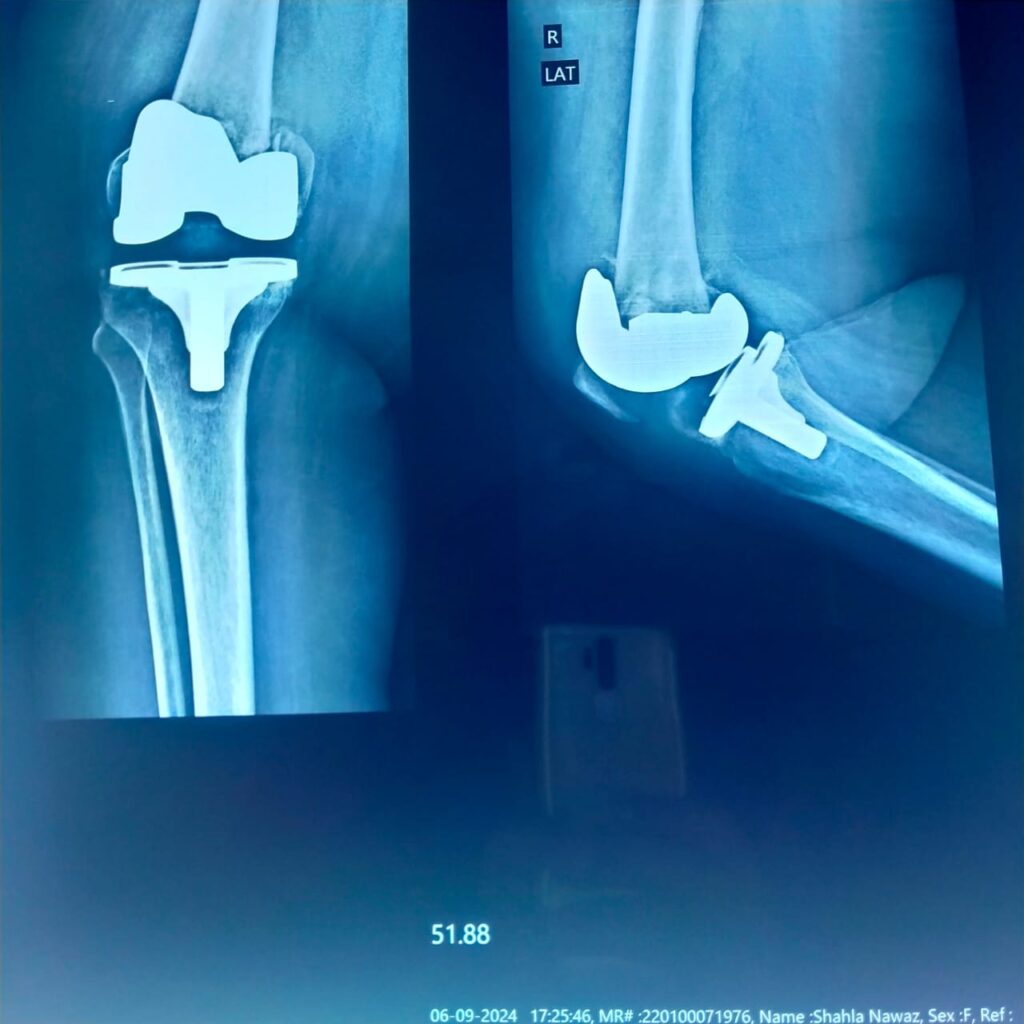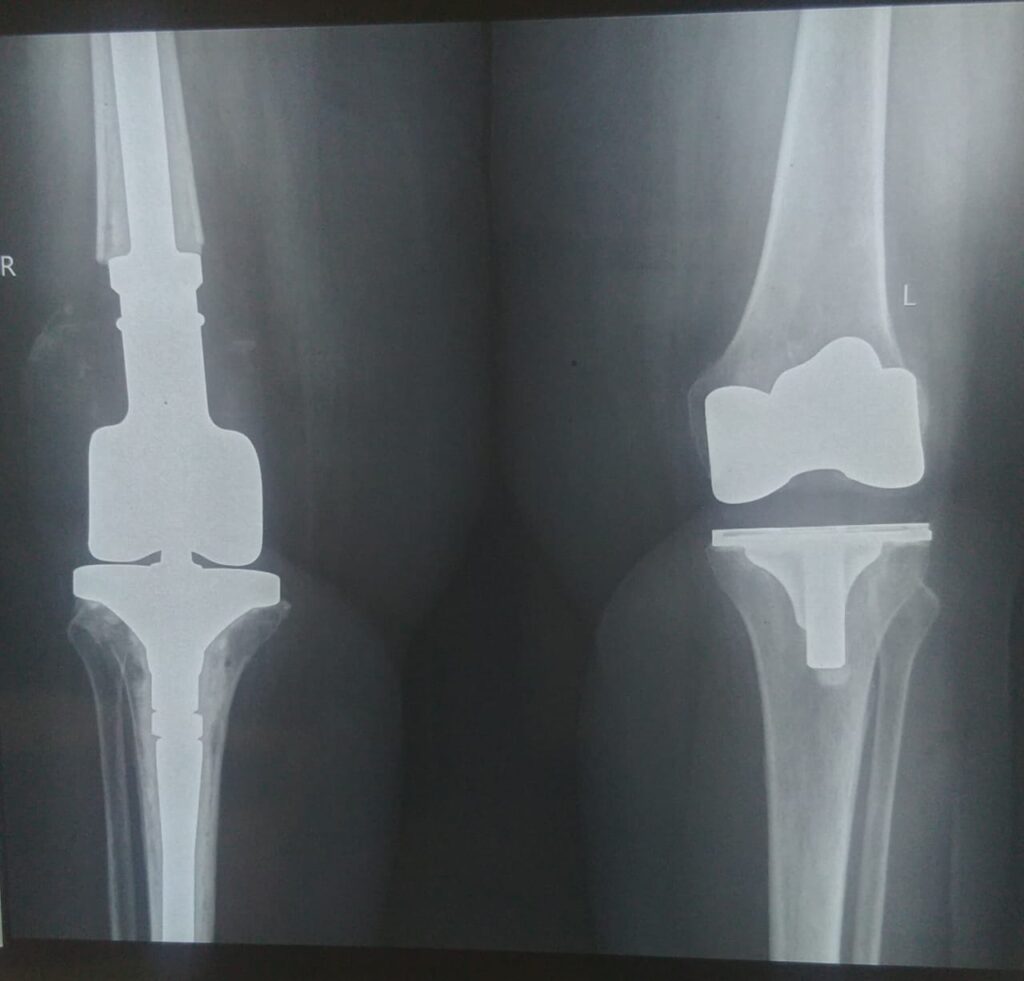
Periprosthetic fractures of the femur are serious complications after total knee replacement. These fractures occur near the knee implant, usually in the distal femur. They can result from minor falls, trauma, or weakened bone. Managing these fractures is challenging because the knee implant and bone quality both affect treatment choices.
Patients may experience pain, swelling, and difficulty moving the leg. Some notice sudden instability in the knee. Early diagnosis is crucial to avoid worsening damage and to allow better recovery outcomes. Orthopaedic surgeons carefully evaluate the fracture and implant before deciding treatment.
Causes and Risk Factors
Most periprosthetic femur fractures happen after minor falls. Other causes include accidents, seizures, or forced knee manipulation. Certain factors increase risk:
- Osteoporosis or weak bones
- Previous knee surgery or revisions
- Loose or worn implants
- Use of steroids
- Rheumatoid arthritis or other joint diseases
The combination of poor bone quality and stress near the implant makes fractures more likely. Older adults are particularly vulnerable, as bone density declines with age.
Classification of Fractures
Fractures are classified to guide treatment. The common system divides them into three types:
- Type I: Fracture is undisplaced, and prosthesis is stable.
- Type II: Fracture is displaced, prosthesis is stable.
- Type III: Prosthesis is loose, fracture may be displaced or undisplaced.
This classification helps surgeons decide between nonoperative care, fixation, or revision knee replacement.
Nonoperative Treatment
Undisplaced fractures with a stable implant may be treated without surgery. Treatment includes:
- Knee bracing
- Restricted weight-bearing
- Regular X-rays to monitor healing
Nonoperative treatment works best when the fracture is small and bone quality is good. If the alignment changes or pain persists, surgery is needed.
Surgical Options
Surgical treatment depends on fracture type, bone quality, and implant stability. Common methods include:
Open Reduction and Internal Fixation
Surgeons realign the bone and secure it with plates or screws. Bone grafts may be added to improve healing. This method allows early movement and reduces long-term stiffness.
Challenges include poor bone in older adults or highly fragmented fractures. Sometimes multiple surgeries are needed if the fracture fails to heal.
Locking Plates
Locking plates are designed for weak bone and complex fractures. They provide stable fixation and can be placed with minimal incision.
These plates are effective when previous implants are in place. They reduce the risk of nonunion and allow early mobility.
Intramedullary Nails
Retrograde intramedullary nails are rods placed inside the bone. They stabilize the fracture without disturbing the knee implant.
This technique allows early movement and reduces stress on surrounding tissues. It is not suitable for very distal fractures or patients with hip implants.
External Fixators
External fixators are rarely used. They are temporary frames placed outside the leg to stabilize bone. This method is reserved for patients who cannot undergo internal fixation.
Revision Knee Replacement
When the prosthesis is loose or bone is severely damaged, revision surgery is needed. Long-stemmed implants provide stability and allow early weight-bearing.
This method is preferred for extremely distal fractures or when previous fixation has failed. It restores knee function and reduces pain.
Structural Allografts and Distal Femoral Replacement
In severe cases with poor bone, surgeons may use structural allografts or replace the distal femur. This complex procedure restores stability but is usually reserved for low-demand patients.
It provides a long-term solution when conventional revision is not feasible. Recovery requires close monitoring and rehabilitation.
Recovery After Surgery
Early movement is important to prevent stiffness. Physical therapy helps restore strength and knee function. Patients usually start walking with support soon after surgery.
Pain and swelling are normal initially but improve over weeks. Full recovery may take several months, depending on fracture severity and overall health.
Cost and Availability
Revision knee replacement surgery is complex and requires expert care. Patients often consider knee replacement surgery cost in Islamabad and facility experience. Access to skilled surgeons ensures better outcomes and fewer complications.
Consulting a specialist early can prevent worsening fractures and reduce recovery time. Hospitals offering knee replacement surgery in Islamabad provide modern implants and follow-up care.
Conclusion
Periprosthetic fractures of the femur are serious but manageable. Treatment depends on fracture type, bone quality, and implant stability. Nonoperative care is suitable for small, stable fractures. Surgical options include plates, nails, revision implants, and structural allografts.
Early diagnosis, careful planning, and expert surgical care improve recovery and knee function. Patients can regain mobility and return to daily activities with proper treatment and rehabilitation.